1 Biodiversity Research (Flora and Fauna)
Nepal is a biodiversity hotspot due to its varied geography and ecosystems. The research could include the following key areas:
Flora: Study of endemic and medicinal plant species, forest ecosystems, and conservation efforts in national parks such as Chitwan National Park and Sagarmatha National Park (Everest region).
Fauna: Research on iconic species like the Bengal tiger, one-horned rhinoceros, red panda, and Himalayan tahr. Nepal’s wildlife reserves offer an opportunity to conduct field research and observe species in their natural habitats. Conservation Efforts: Nepal is a leader in wildlife conservation, especially for tigers, rhinos, and elephants. Interested person’s research could focus on community-based conservation practices, habitat restoration, or human-wildlife conflict resolution. Research Locations: Chitwan National Park, Bardiya National Park, Sagarmatha National Park (Everest), Langtang National Park, and Annapurna Conservation Area.
2. Sustainable Development & Community Engagement
Nepal is a country where community-based development is crucial, and you can be part of:
Organic Farming: Volunteering in organic farms or sustainable agricultural practices offers hands-on learning of Nepal’s agriculture, which is crucial for food security in rural areas.
Community Development: Involvement in construction or development at schools, hospitals, orphanages, and centers for people with disabilities or elderly care can offer insight into social welfare, healthcare, and education systems.
Community-Driven Conservation: Participating in initiatives aimed at sustainable development, such as community forestry, renewable energy projects, and eco-tourism practices, can give you insights into how Nepal is integrating conservation with development.
Social Enterprises: Volunteering with NGOs working on education, women’s empowerment, and rural development can contribute to meaningful change.
Practical Experience in Institutions
Schools and Colleges: Volunteering in local educational institutions can give you a deeper understanding of Nepal’s education system and the challenges it faces, especially in rural areas.
Hospitals & Healthcare: Volunteering in medical settings can help you learn about Nepal’s healthcare infrastructure, particularly in rural or underserved areas.
Orphanages & Senior Care Centers: Working with vulnerable populations can provide hands-on experience with social services in Nepal and an understanding of the needs of marginalized groups.
3. Physical Infrastructure Development work opportunity:
Nepal’s rapidly growing infrastructure requires skilled volunteers for development in sectors like:
Hydropower Projects: Nepal is rich in hydroelectric potential. Volunteering in hydroelectric projects can involve studying the environmental impact, energy production, and sustainability efforts.
Highway Road Construction: Working on rural road development could help in learning about infrastructure challenges, geographical constraints, and construction methods suited to mountainous regions.
4. Cultural and Religious Studies
Nepal is a cultural and religious mosaic with deep ties to Hinduism and Buddhism. You can explore the following:
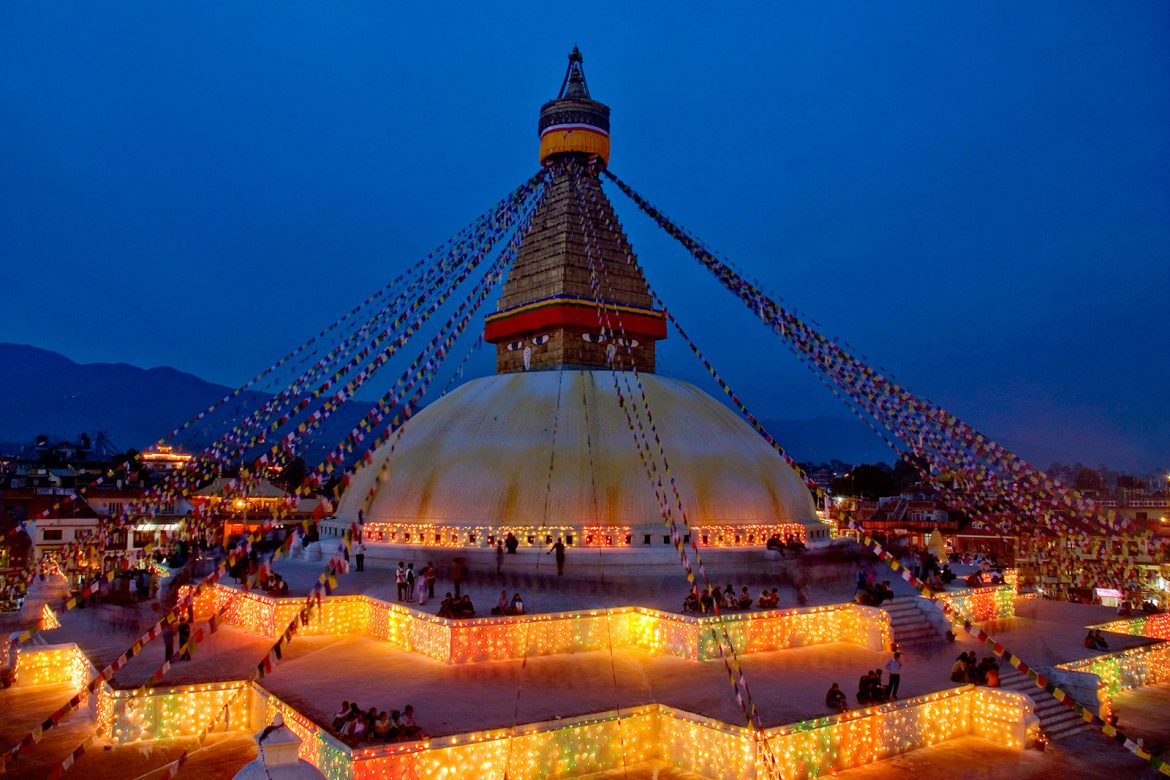
Religious and Cultural Tours: Visiting sacred temples, monasteries, and shrines, like the Swayambhunath Stupa (Monkey Temple), Pashupatinath Temple, Lumbini (birthplace of Buddha), and Boudhanath Stupa, can offer rich insights into Nepal’s diverse spiritual heritage.
Festivals: Participate in or observe vibrant festivals such as Dashain, Tihar, Holi, and Buddha Jayanti, which reflect the country’s cultural depth.
Cultural Practices: Spend time with local communities to learn about traditional crafts, music, dance, and language (Nepali, Newari, Sherpa, etc.).
5. Adventure Tourism & Outdoor Activities
Nepal is world-renowned for its adventure tourism. These activities combine enjoyment with learning:
Trekking: The trekking routes in the Everest, Annapurna, Langtang, and Manaslu regions offer both physical challenges and opportunities to study the local flora and fauna, geology, and the impact of tourism on remote areas.
Rafting & Kayaking: Nepal’s rivers, such as the Trishuli, Seti, and Kali Gandaki, offer some of the best rafting and kayaking experiences. You can also explore river ecosystems and learn about water conservation and hydrology.
Canyoning, Bungee Jumping, Paragliding, Skydiving: If you’re interested in extreme sports, Nepal offers plenty of adrenaline-pumping activities, especially in the regions around Pokhara and the Bhotekoshi River.
Wildlife Tours: Explore Nepal’s national parks for bird watching and safaris. The Chitwan National Park, for example, offers elephant safaris where you can witness the rich biodiversity of the region.
Trekking Routes and Popular Activities in Nepal
Everest Region:
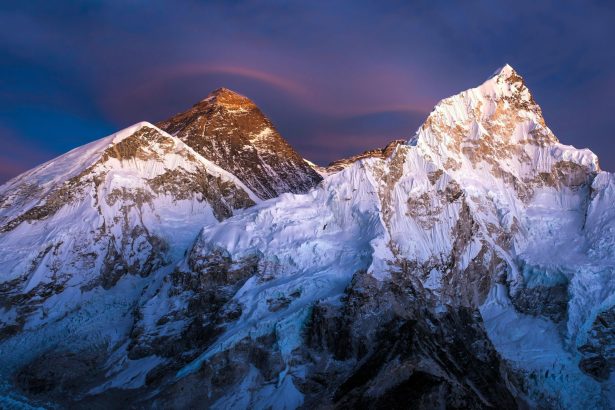
Home to the world’s highest peak, Mount Everest, and iconic trekking routes like the Everest Base Camp Trek.
Annapurna Region:
Known for the Annapurna Circuit and Annapurna Base Camp Trek, offering a mix of mountain views, cultural experiences, and biodiversity.
Langtang Region:
A less crowded but equally stunning area known for the Langtang Valley Trek, which also takes you through rich wildlife areas.
Manaslu Region:
A challenging but rewarding trek, with spectacular views and unique cultural encounters.
Combining Study, Volunteering, and Adventure
You can structure your experience in Nepal by combining these activities. For example: Spend your mornings conducting research in biodiversity, particularly in national parks or conservation areas. Volunteer in the afternoon with infrastructure development or in community projects, such as supporting schools or healthcare initiatives.
On weekends or during breaks, explore cultural landmarks or participate in adventure sports to relax and immerse yourself in Nepal’s natural beauty.
Conclusion
Nepal offers a rare opportunity to learn, volunteer, and explore in a way that engages multiple disciplines: ecology, infrastructure development, community work, cultural heritage, and outdoor adventures. Your time there can be incredibly enriching, both personally and professionally. Whether you’re conducting research, volunteering, or simply exploring, Nepal’s diversity—both natural and cultural—provides a wealth of experiences to grow and contribute to.
Thank you.