
A brief review
Nepal, with its diverse geography and climate, is home to a rich variety of medicinal plants and herbs, many of which have been used for centuries in traditional medicine systems like Ayurveda and Traditional Himalayan Medicine. These plants are found in the lowland Terai, mid-hills, and high-altitude regions of the Himalayas.
Processing and packaging of Nepali herbal products involve several steps to ensure the preservation of the product’s natural properties, as well as its marketability. These steps are essential not only for maintaining the quality and effectiveness of the herbal products but also for adhering to industry standards and regulations. Below are some important herbs and medicinal plants in Nepal:
- Yarsagumba (Cordyceps sinensis)
Uses: Yarsagumba is a rare and highly valued medicinal fungus known for its purported benefits in boosting energy, improving stamina, treating sexual dysfunction, and supporting the immune system.
Region: Found at high altitudes in the Himalayan regions of Nepal. - Ashwagandha (Withania somnifera)
Uses: Known as a powerful adaptogen, Ashwagandha is used to reduce stress, improve energy levels, enhance brain function, and support overall vitality. It’s commonly used in Ayurvedic medicine.
Region: Grows in the lower hills and southern Terai regions of Nepal. - Chiretta (Swertia chirata)
Uses: This herb is commonly used as a bitter tonic to treat fever, malaria, digestive disorders, and liver problems. It is also used to purify the blood and treat skin diseases.
Region: Found in the higher altitudes of Nepal, particularly in the mid-hills and mountains. - Sarpagandha (Rauvolfia serpentina)
Uses: Known for its anti-hypertensive properties, Sarpagandha is used to treat high blood pressure, anxiety, and insomnia. It is also used to treat snake bites and as a sedative.
Region: Found in the lowland Terai and mid-hills of Nepal. - Brahmi (Bacopa monnieri)
Uses: Brahmi is renowned for its cognitive-enhancing properties. It is used to improve memory, mental clarity, and reduce stress and anxiety.
Region: Found in the wetlands and moist areas of Nepal, particularly in the Terai and low hills. - Jatamansi (Nardostachys jatamansi)
Uses: Jatamansi is used as a calming herb to reduce stress, anxiety, and promote sleep. It is also known for its anti-inflammatory and anti-convulsant properties.
Region: Found in the higher altitudes of the Himalayan region of Nepal. - Neem (Azadirachta indica)
Uses: Neem has antibacterial, antiviral, antifungal, and anti-inflammatory properties. It is commonly used to treat skin conditions, such as acne and eczema, and as a natural insect repellent.
Region: Grows widely in the Terai and lowland areas of Nepal. - Turmeric (Curcuma longa)
Uses: Turmeric is a powerful anti-inflammatory herb used to treat a variety of conditions, from digestive disorders to arthritis. It is also known for its antioxidant properties.
Region: Grows in the Terai and lower hills of Nepal. - Tulsi (Ocimum sanctum)
Uses: Known as Holy Basil, Tulsi is used to improve respiratory health, reduce stress, and strengthen the immune system. It is also a potent adaptogen and is used in many Ayurvedic formulations.
Region: Widely cultivated in Nepal, especially in the Terai and mid-hills. - Ginger (Zingiber officinale)
Uses: Ginger is a well-known herb used for digestive issues, nausea, and as an anti-inflammatory. It is also used to treat cold and flu symptoms.
Region: Grows widely in the mid-hills and lower regions of Nepal. - Shatavari (Asparagus racemosus)
Uses: Shatavari is used to support women’s health, particularly for reproductive health, balancing hormones, and improving milk production in breastfeeding mothers.
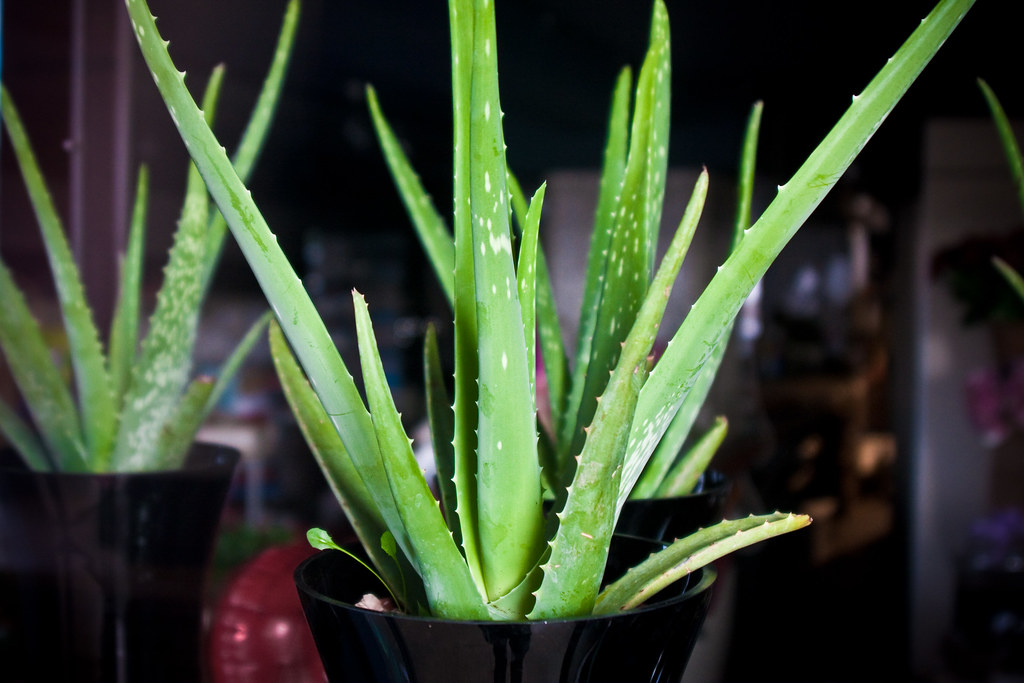
Region: Found in the lowland and mid-hill regions of Nepal. - Aloe Vera (Aloe barbadensis miller)
Uses: Aloe Vera is used topically for its healing properties, particularly for burns, wounds, and skin irritations. It also has digestive benefits when consumed internally.
Region: Grows in the lowland Terai and southern regions of Nepal. - Moringa (Moringa oleifera)
Uses: Moringa is rich in nutrients and is often called the “drumstick tree.” It is used for its high antioxidant content and to treat malnutrition, diabetes, and hypertension.
Region: Found in the Terai and lower hills of Nepal. - Nettle (Urtica dioica)
Uses: Nettle is used for its anti-inflammatory properties and is often used to treat joint pain, urinary issues, and to boost hair health.
Region: Found in various regions of Nepal, particularly in the mid-hills. - Saffron (Crocus sativus)
Uses: Saffron is highly prized for its medicinal properties, including its ability to improve mood, treat depression, and enhance skin health. It is also used in Ayurvedic formulations.
Region: Cultivated in the higher-altitude regions of Nepal. - Kesar (Crocus sativus)
Uses: Saffron is used for its mood-boosting, anti-inflammatory, and anti-cancer properties. It is also considered a potent aphrodisiac and is often used in skin care.
Region: Primarily found in the high-altitude regions of Nepal. - Ginseng (Panax ginseng)
Uses: Ginseng is considered a tonic herb that helps to increase energy, boost the immune system, and reduce fatigue.
Region: Grows in the high-altitude regions of Nepal. - Angelica (Angelica archangelica)
Uses: Angelica is known for its anti-inflammatory, diuretic, and digestive properties. It is often used to treat digestive issues, respiratory problems, and menstrual disorders.
Region: Found in the higher elevations of Nepal, especially in the Himalayan region. - Himalayan Salt (Rock Salt)
Uses: Known for its mineral content and health benefits, Himalayan salt is often used in traditional remedies to treat respiratory problems, improve hydration, and detoxify the body.
Region: Mined in the Himalayan foothills of Nepal. - Fennel (Foeniculum vulgare)
Uses: Fennel seeds are used to treat digestive issues, improve lactation in breastfeeding mothers, and reduce bloating and gas.
Region: Found in the mid-hills and Terai regions of Nepal.
General outline of the process for creating and packaging Nepali herbal products:
- Sourcing and Harvesting
Identification of Herbs: In Nepal, many herbal products are made from locally grown plants, such as Tulsi (Holy Basil), Yarrow, Jatamansi, Ashwagandha, and Sarpagandha. Ensuring that the right variety is selected is critical for the product’s efficacy.
Sustainable Harvesting: Traditional harvesting methods are often used, but sustainable and responsible harvesting is becoming more important to avoid depleting the resources.
Wildcrafting vs. Cultivating: Many herbs are collected from wild sources, but increasingly, cultivation is being promoted to ensure a steady, controlled supply. - Cleaning and Preparation
Cleaning: Once the herbs are harvested, they need to be thoroughly cleaned to remove any dirt, insects, or contaminants.
Drying: Drying is one of the most critical steps in herbal product processing. Herbs are either sun-dried or dried using controlled, mechanical methods to retain their essential oils and active compounds.
Sun Drying: Preferred for some herbs, it helps preserve the natural properties but can be slower and affected by weather conditions.
Mechanical Drying: Involves using dehydrators or ovens to maintain a consistent temperature, which is particularly useful for maintaining high-quality herbs in a controlled environment.
Grinding/Chopping: Once dried, herbs may be ground into powders or chopped into smaller pieces depending on the product being manufactured. - Extraction (if applicable)
Oil Extraction: Some herbal products, like essential oils, are produced by steam distillation or cold pressing methods.
Solvent Extraction: For products requiring higher potency, solvents such as ethanol or glycerin may be used to extract active compounds from the herbs.
Infusions: Some herbal products like teas or tinctures are made by infusing herbs in hot water or alcohol for a period of time. - Formulation and Product Development
Herbal Powders: These are often used for making capsules, tablets, or in the production of herbal teas.
Ointments/Creams: If the product is topical (such as a balm or lotion), herbal extracts or powders are blended with natural oils like sesame oil, coconut oil, or ghee to create salves and creams.
Herbal Teas: Dried herbs are blended into unique combinations for teas, often incorporating other natural flavors like ginger, mint, and cardamom.
Capsules/Tablets: For easier consumption, powdered herbs are encapsulated or pressed into tablet forms. - Quality Control
Testing for Purity: Ensuring that the herbs are free of contaminants (pesticides, heavy metals, etc.) is crucial for consumer safety. This may involve laboratory testing.
Potency Testing: Ensuring that the herbal products contain the correct levels of active ingredients as promised by the product label.
Microbial Testing: To check for the presence of bacteria, fungi, or other pathogens, especially in products that are meant for consumption or topical use. - Packaging
Packaging plays an essential role in preserving the product’s quality, preventing contamination, and appealing to consumers.
Material: Most herbal products are packaged in containers made from materials like glass, PET plastic, or eco-friendly materials like bamboo or recycled paper. The packaging material should be chosen to protect the product from moisture, light, and air.
Labeling: The product should be clearly labeled with:
Ingredients: List of all herbal ingredients used.
Instructions: How to use or consume the product.
Storage Instructions: Typically in a cool, dry place, away from direct sunlight.
Expiry Date: Indicating how long the product remains effective.
Certification: For organic or sustainably sourced products, certifications like GMP (Good Manufacturing Practice) or ISO may be included on the label.
Tamper-Proof Seals: For consumer safety, especially in consumables like herbal teas, powders, or supplements.
Eco-Friendly Packaging: Given the increasing awareness of sustainability, many producers opt for biodegradable or recyclable packaging.
- Distribution and Marketing
Local Market: Many Nepali herbal products are sold locally, especially in rural areas. However, modern retail chains, organic shops, and herbal medicine stores are increasingly distributing these products.
Export: Nepal has a rich tradition of herbal medicine and many herbal products are exported to international markets, particularly for health-conscious consumers in the US, Europe, and Asia. In these markets, packaging and branding play a significant role in attracting customers.
Online Sales: E-commerce platforms and specialized herbal product websites also serve as key distribution channels. - Regulatory Compliance
Local Regulations: In Nepal, there are specific regulations governing the production and sale of herbal products. For example, the Department of Ayurveda regulates the traditional medicine sector.
International Standards: If the product is exported, it must comply with the standards set by the target country’s health authorities. This could include certifications such as FDA approval (in the US), or adherence to the European Union’s Herbal Medicinal Products regulation. Nepali Herbal Teas: These often include blends of Tulsi, ginger, mint, and other local herbs. Herbal Balms and Ointments: Such as Mahamash Oil or Nepalese mustard-based rubs. Jatamansi-based products: For calming or anti-stress formulations.
Conservation Concerns
Many of these medicinal plants, especially those from higher altitudes like Yarsagumba and Jatamansi, face threats from overharvesting, climate change, and habitat destruction. As a result, sustainable harvesting practices and conservation efforts are vital to ensure their continued availability.
Conclusion
Herbal medicine continues to play an important role in Nepalese culture and health care systems. These plants are integral to traditional practices, and with growing interest in herbal remedies worldwide, they hold both cultural and economic significance for Nepal.
The herbal product industry in Nepal offers a unique combination of traditional knowledge and modern processing techniques. The key challenges lie in maintaining quality control, ensuring sustainability, and navigating the complexities of global trade regulations. However, the global demand for natural and plant-based products continues to rise, providing ample opportunity for Nepali herbal products in the international market.